
How to enter competitions for free
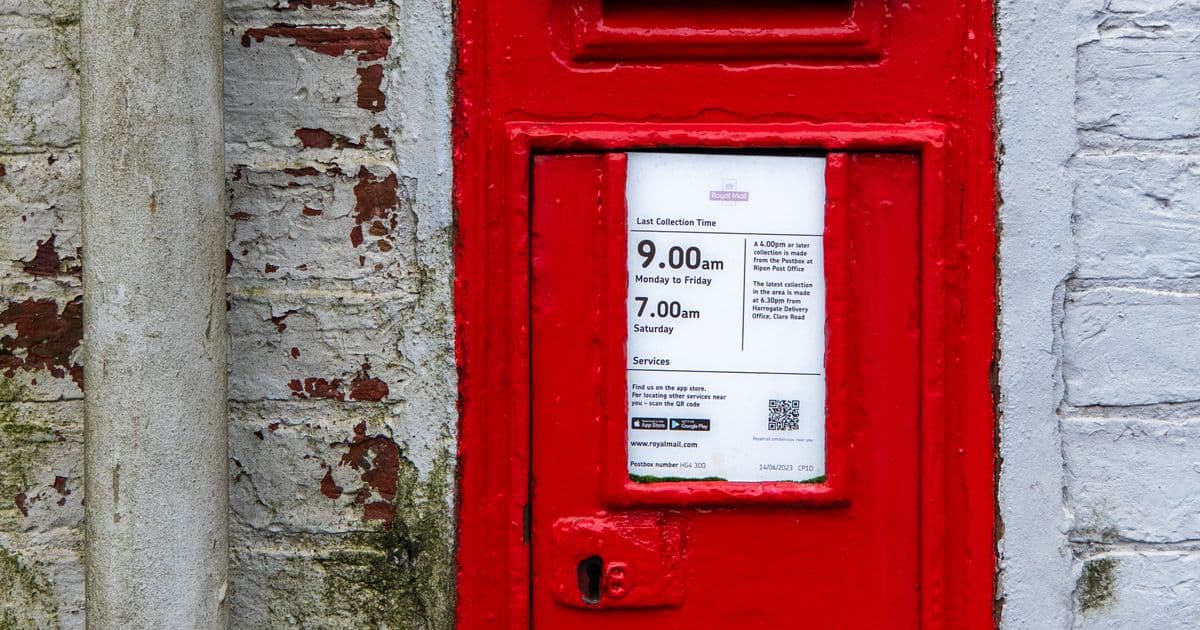
Not every prize competition costs money to enter. Under UK law, many paid draws must offer a free entry route, and thousands of genuinely free competitions run every week through brands, magazines, and social media. This guide explains every free entry method, how to use them properly, and how to decide which are worth your time.
Why free entry exists on paid competitions
UK prize competitions that charge for tickets are structured to avoid classification as an unlicensed lottery. One requirement is a free entry route, usually by post. That means your postal entry goes into the same draw as every paid ticket. Same prize, same random selection, no ticket cost beyond a stamp.
Operators are allowed to make the postal route fiddly. Some require specific envelope sizes, handwritten entries, or particular wording. That is legal, if annoying. The point is that a free route exists, not that it is effortless.
How to submit a postal entry, step by step
1. Find the terms. On most competition sites the free entry address is in the terms and conditions, not on the main page. Search for "postal entry", "free entry", or "no purchase necessary".
2. Read the requirements exactly. Typical requirements include your full name, address, email, phone number, and the competition name. Some operators ask for a specific envelope size or handwritten text. Get any detail wrong and your entry may be disqualified.
3. Post in good time. Allow at least five to seven working days for delivery before the draw closes. First-class is worth the extra if the deadline is close.
4. Keep a copy. Photograph your entry before you post it. If there is a dispute, you have proof of what you sent and when.
One valid postal entry equals one ticket in the draw. You can usually submit multiple postal entries if the terms allow it, though each needs its own stamp and envelope.
Genuinely free competitions
Beyond the postal route on paid sites, plenty of competitions are free from the start. These fall into a few categories:
Brand promotions. Supermarkets, food brands, and retailers run regular free draws to promote products. You might enter a code from packaging or fill in a form online. Prizes tend to be modest (vouchers, hampers, experiences) but the entry is genuinely free.
Magazine and media competitions. Newspapers, magazines, and radio stations run free prize draws constantly. Check the competitions pages on sites like Radio Times or in the weekend papers.
Social media giveaways. Brands and influencers run free giveaways requiring a follow, like, or tag. These are free but the fields can be enormous. A giveaway with 50,000 entries and a £100 voucher is fun but long odds.
When free entry is worth the effort
Free entry makes most sense when the total field is small enough that one entry is a genuine chance. A postal entry in a 2,000-ticket draw for a car is worth a stamp. A postal entry in a 250,000-ticket draw is still 1 in 250,000 (plus however many other postal entries arrive).
Run the same maths you would for a paid draw. Check the ticket count, estimate the prize value, and decide whether one free shot is worth ten minutes and a first-class stamp. For draws with sensible ticket counts on platforms like luckladder, where the ticket total is visible on every page, that calculation takes seconds.
When paid tickets make more sense
If you want more than one entry in a draw with good odds, paid tickets are the practical option. Ten tickets in a 1,000-ticket draw gives you a 1 in 100 chance. Ten postal entries means ten envelopes, ten stamps, and ten trips to the postbox. For a draw you are genuinely excited about, buying tickets on a transparent platform is simply faster.
There is also the timing issue. Postal entries posted a week before the deadline might not arrive in time if the operator is strict about receipt dates. Paid tickets are instant.
Making free entries a habit
If you want to make free entries a habit without it taking over your life, try this. Set aside thirty minutes once a week. Check two or three paid competition sites for draws with ticket counts under 5,000. Send postal entries for any where the prize is worth having. On other days, spend five minutes entering one or two brand giveaways online. Track what you entered in a notes app so you do not duplicate entries or miss claim deadlines.
What free entry does not guarantee
Free entry does not make a bad draw good. Hidden ticket counts, vague terms, and draws with no proper claim process are still problems whether you paid or posted. Free or paid, stick to competitions that show how winners are picked and have a clear handover process.
For paid draws where the maths works, read how to enter competitions online or browse live competitions on luckladder.
Join the waitlist
luckladder is not live yet. Join the waitlist and we will let you know when you can start hosting and entering competitions.